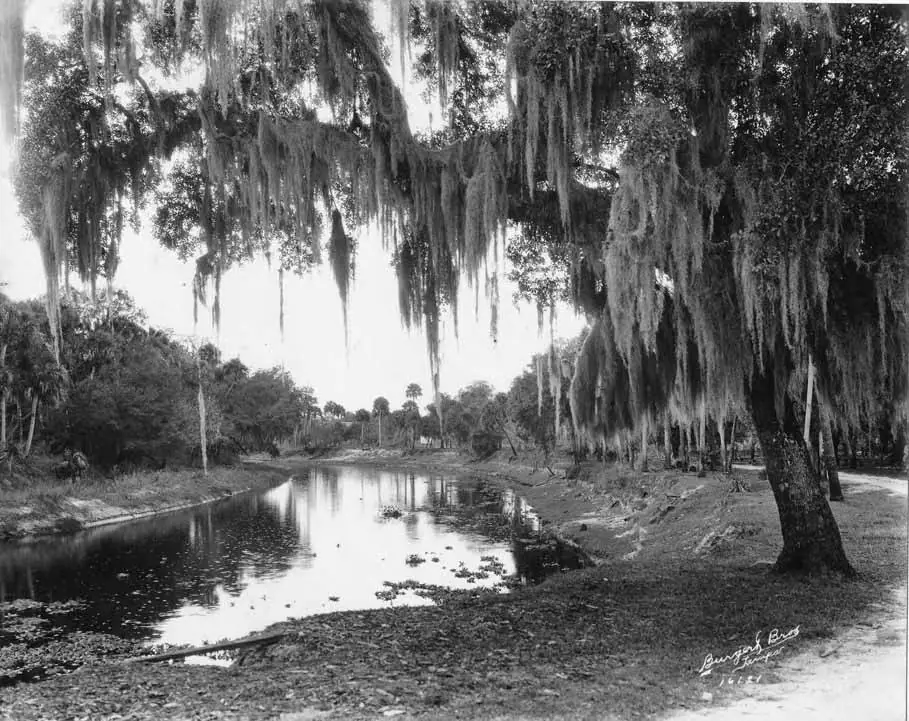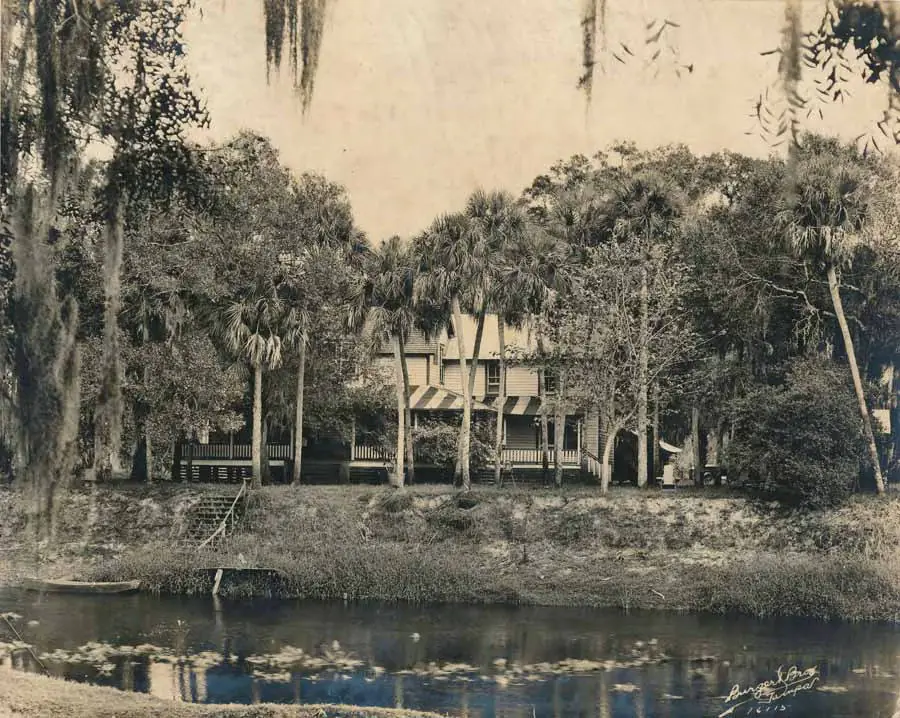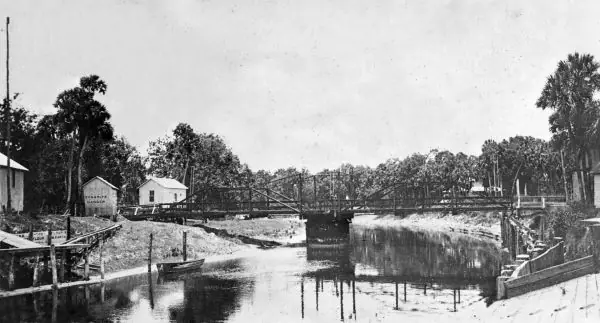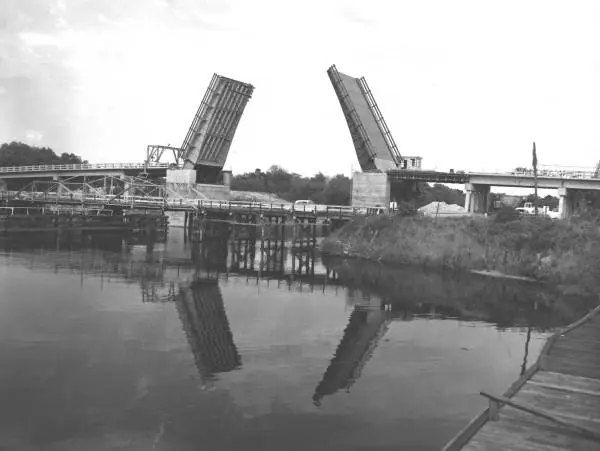
The river
was the road.
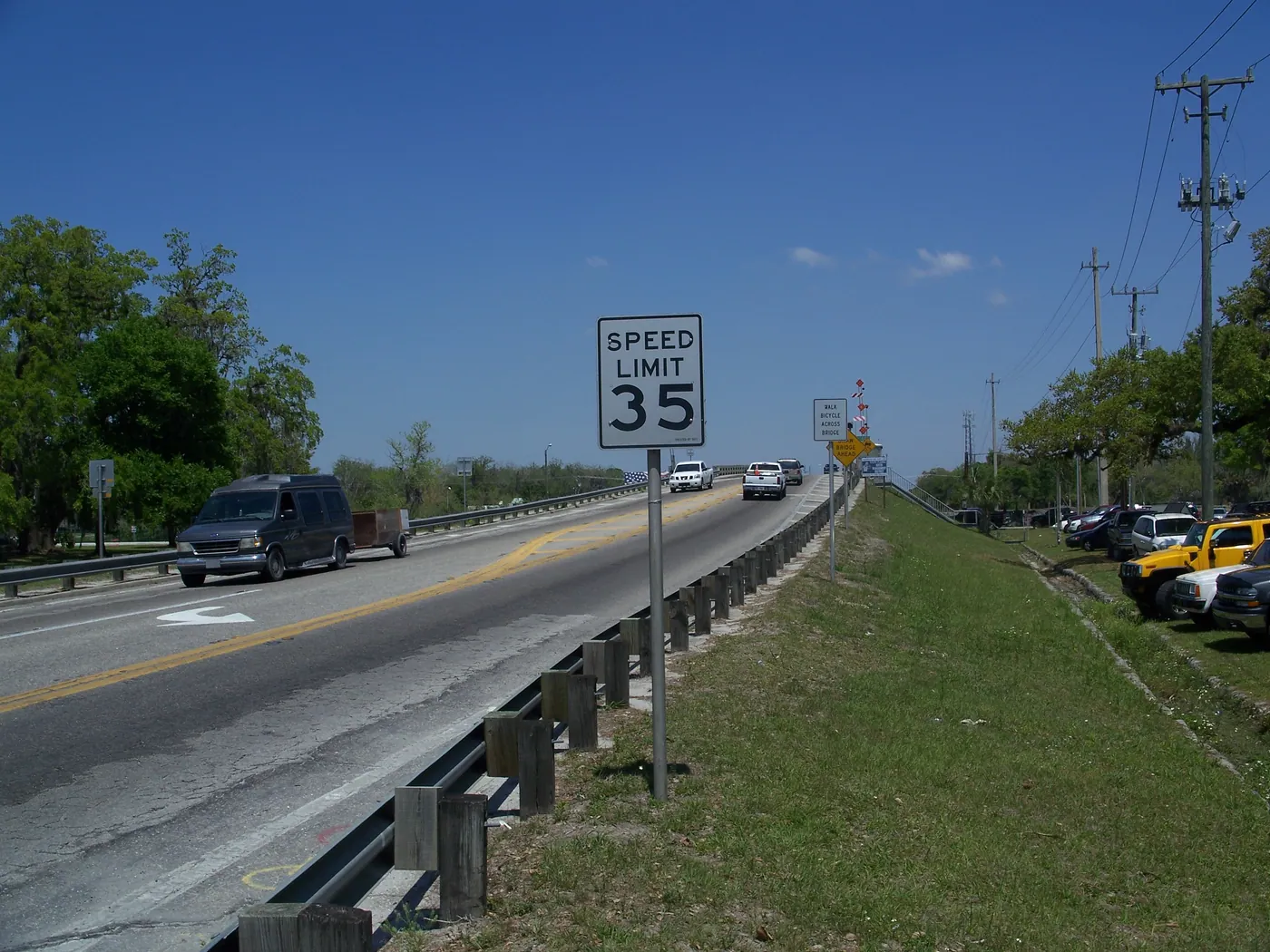
Stand by the Caloosahatchee a minute. There’s more moving through this town than the traffic on SR 80.
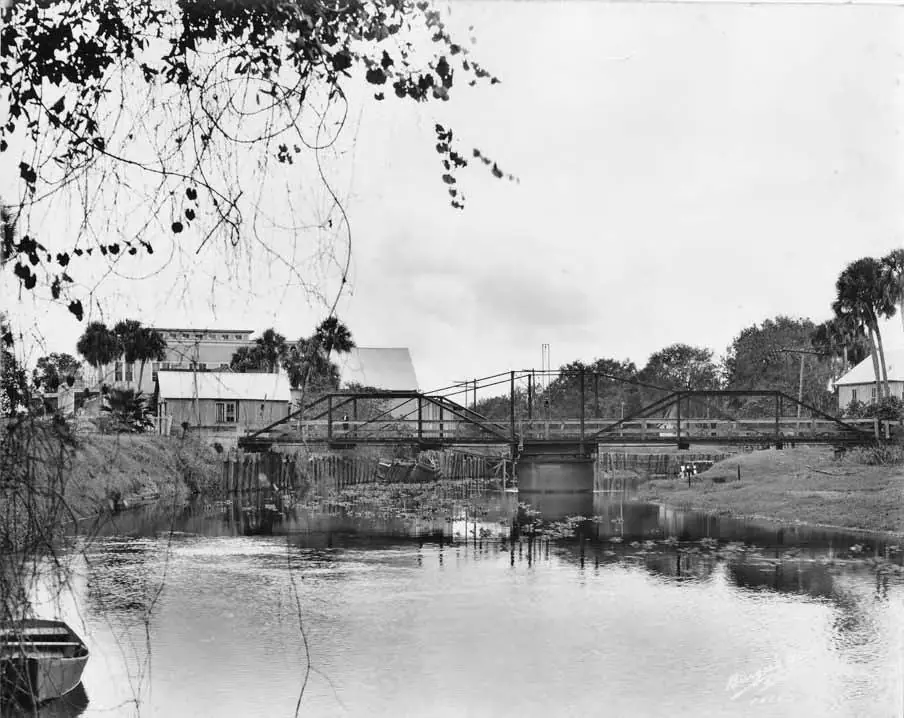
Freight, mail, and a way to town
The National Register study describes boats bringing supplies from Fort Myers and smaller motorboats carrying mail and passengers. Before today’s road connections, the river tied the settlement to the wider world.
New routes, new ambitions
In the 1920s, roads and rail changed that pattern. The same study records the highway through LaBelle in 1926 and rail service beginning in mid-1927. It also documents Henry Ford’s acquisition of Goodno’s holdings and rubber experiments at Fort Thompson in the 1920s.
These were overlapping chapters in a changing agricultural town, not a single moment when river life ended.
A story that starts earlier
The river’s history did not begin with ranchers or steamboats. Indigenous histories need their own sources and voices. For Seminole history and living culture, start with the Ah-Tah-Thi-Ki Museum, the Seminole Tribe of Florida’s museum on Big Cypress Reservation. It is a regional visit, outside downtown LaBelle.
Spend some time beside it
The Caloosahatchee is part of the Okeechobee Waterway. Watch the river from public places, or check current dock information if you arrive by boat. Our parks and outdoors guide has a few places to begin.
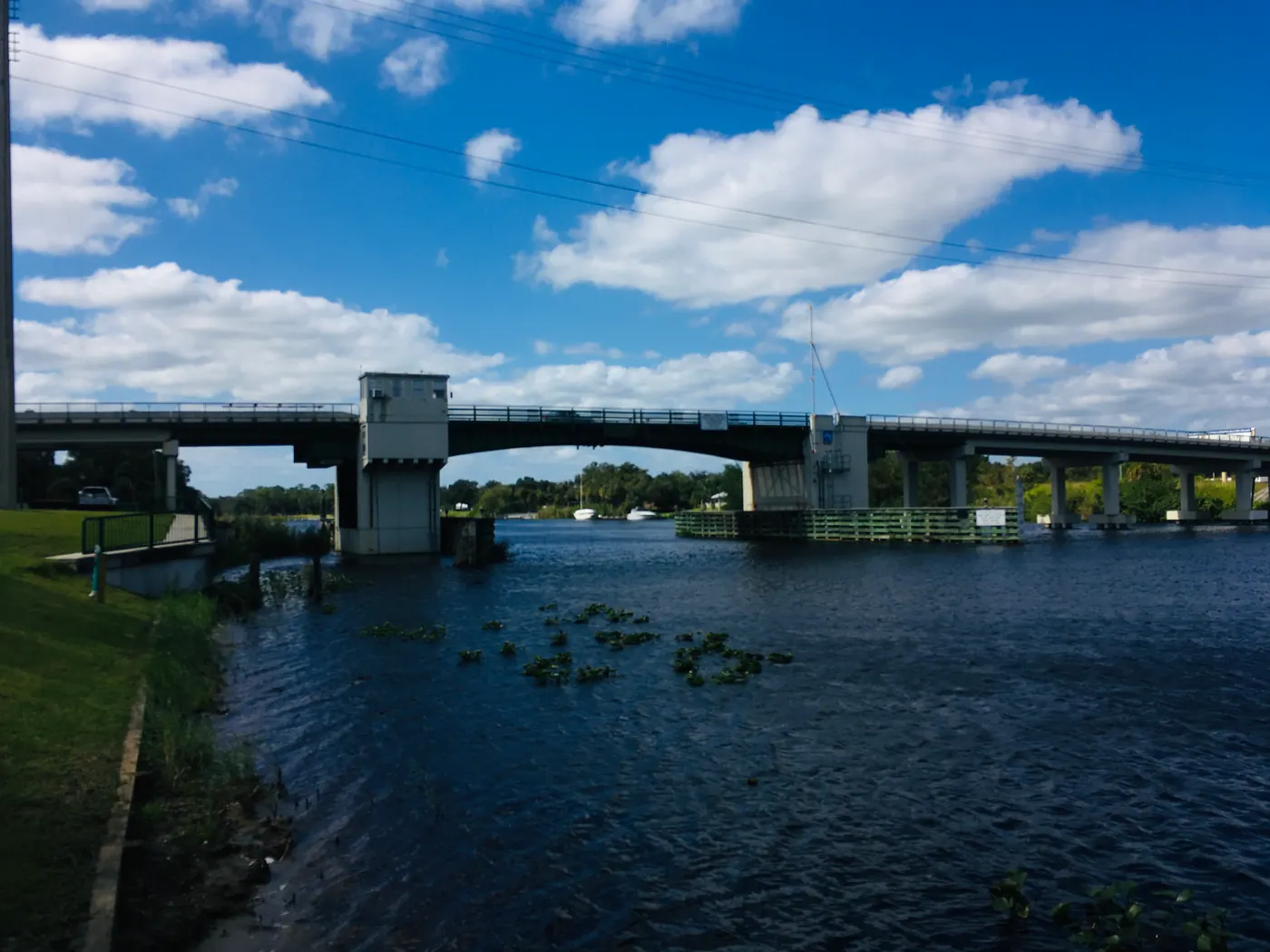
Bridges, boats, and the Caloosahatchee.
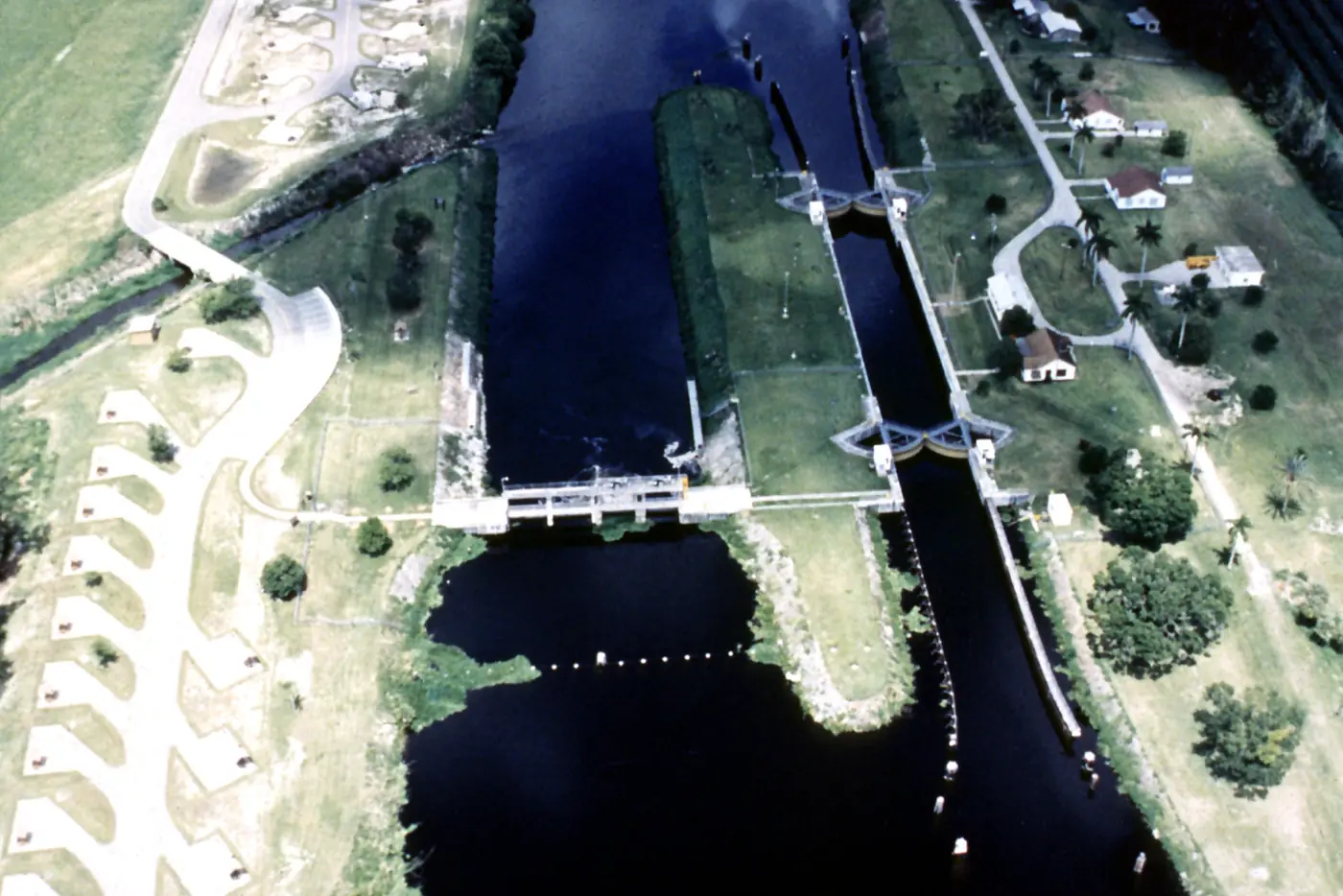
Archive dates follow each source. The lock is upriver in Glades County, not in LaBelle.